
Picture this: You’re about to take a nap, but pull out your phone before you fall asleep. The Strokes recently posted a sign-up page with the company Laylo for text updates and even potential secret physical mail delivered to your address. You and every other overly-online fan have been waiting with bated breath to see what that’s about. After six long years, could this finally be it? You should see if there’s any news, you think, as a halfhearted excuse to check Instagram. The first post to appear on your homepage is from The Strokes themselves. It’s a brief animation of a vintage car ad. You can’t place the audio, but it sounds a lot like them. “Which song is this from?” You wonder, but that’s a silly question because you know all of them, and the day you can’t recognize their songs is the day Hell freezes over. Not only does it sound familiar, but what you can hear of the instrumentals sounds really good. The camera pans across the car, and text fades in that reads: “Reality Awaits / The new album by The Strokes.” Alone in your room, you audibly gasp and shoot upright. You thought this day would never come.
The Strokes, for the unaware, is a garage rock/alt-rock/indie rock/what-have-you band from New York City, most popular in the late 90s and early 2000s. According to my best guess, approximately 90% of dads alive in 2001 still know the chorus to “Last Nite.” Despite it being 20+ years since their inception, they still have great popularity today and continue to release music off and on, the last release being “The New Abnormal.”
“The New Abnormal”
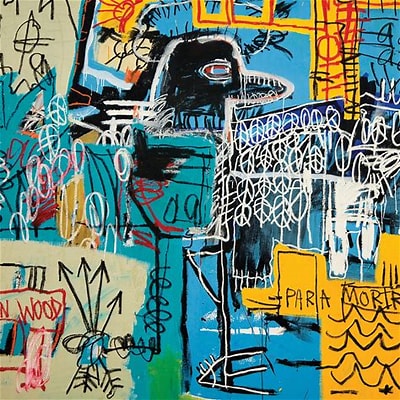
“The New Abnormal” is the sixth and most recent studio album from The Strokes, released on April 10th, 2020. It’s also (unjustly) the only album from the band to win a Grammy, as it was awarded “Best Rock Album” of 2020. It was a pretty interesting time to release an album, to say the least, but I’m very glad we had it. In my opinion, this album is absolutely phenomenal (don’t trust those hacks over at Pitchfork). I’ll admit, “Eternal Summer” is a bit of a dud, but it’s balanced out, especially since this release gave us one of The Strokes’ best songs, maybe just one of the best songs period: “Ode to the Mets.” Every track feels polished and explores the range of what The Strokes can do, from the Billy Idol inspired “Bad Decisions” to the moody and synth-heavy “Selfless.” “The Adults are Talking” is another standout hit, thanks to its catchy chorus and genius instrumentals, wherein they brilliantly make it sound as if the guitars are talking to each other. This album has been by my side for the last six years, and I couldn’t be more grateful for it. It was with me at the beginning of the pandemic when I was finishing middle school in Texas, and it stays on repeat as I write this, two years into college in Oregon.
Why This All Seemed Unlikely
A lot has gone on in the last six years. At first, things with The Strokes seemed positive, with the band discussing a recent trip to Costa Rica to work on music (because you can’t do that in LA or New York, I guess). But as the years stretched on, fans lost hope for new releases anytime soon.
To begin, I need to introduce The Voidz, frontman Julian Casablancas’ side project. Though Casablancas holds the role of vocalist and heads both groups, the two projects are virtually unrecognizable (aside from Casablancas’ distinct half-asleep mumble singing). The Voidz is weird to put it simply. They’re a psychedelic mix of modern synth and traditional guitars with a heavy dose of autotune added to the mix. They’re best known for “Human Sadness,” an over-10-minute-long techno-ballad about grief, depression, and Casablancas’ relationship with his father. It’s their most popular song for a good reason, too. The raw and emotionally powerful lyrics struck a chord (music pun!) with a lot of people and — just inserting my two cents here — it’s some of the best lyrical work of Casablancas’ entire career.
About the Voidz… While The Strokes were languishing in a seemingly never-ending hiatus, The Voidz had five major releases between 2020 and July of 2025. It seemed The Voidz was Casablancas’ favorite child, and this notion was supported by more than just releases. Casablancas would give negative or cagey answers when asked about The Strokes, and would even speak down on their music, as if it were a lesser art in comparison to The Voidz. The Voidz, by nature, allows for more creative experimentation, so in that way, it makes sense for him to view the band as this bastion of artistic freedom. However, I think Casablancas is falsely equating out-of-the-box music with better, high art. I cannot speak for everyone, but I and many others agree that The Voidz is in no way better than The Strokes and arguably not even on the same level. This same uniqueness leads to some tracks and albums that feel like throwing spaghetti at the wall to see what sticks — and much of it doesn’t. In fact, one of their most recent albums, “Like All Before You,” was panned by fans and critics alike. Additionally, it just sucks as a fan to hear that the literal creator of the art that you love views it as lesser and not worth his time. Doubly so when you consider that most fans of The Voidz discovered them through The Strokes.
For years, The Strokes were left to the wayside, only performing occasional shows without any sign of return. With Casablancas’ attention seemingly placed solely on The Voidz, most fans lost hope. All until that fateful day.
“Going Shopping”
Shortly following the announcement for “Reality Awaits,” The Strokes released “Going Shopping” as a teaser for the upcoming album. Fans, already bowled over by the news, were quick to listen to the new track, only to be surprised again. The intro is promising, the groovy guitars luring you into a false sense of security, until the vocals start. Surprisingly, Casablancas’ voice is drenched in excessive autotune. It’s hard to listen to parts of the song without cringing, especially when his low croons turn wobbly and grating. It seems Casablancas’ solution to wanting to continue working with The Voidz but needing money from The Strokes was to turn The Strokes into The Voidz; This has been dubbed by fans “The Stroidz:” not quite The Strokes, not quite The Voidz. Fans of The Strokes, expecting more of the usual style, have not been pleased about this turn of events, and as someone who would have loved more of the usual, even if it experimented a bit, I can’t blame them. It feels like two songs smashed together, and they clash horribly. With the autotune applied not just in parts, but the entirety of the song, it becomes distracting, like a car crash you can’t look away from. Obnoxious vocals aside, the rest of the band actually performs very well. This is the song used for the album announcement, and like then, in isolation, the instrumentals are tight, engaging, and catchy. What’s so frustrating about the post-effects is the diamond in the rough that lies beneath them. Without the autotune, as can be seen in recent live performances, the song becomes 10 times better. It would have been a great song without it, instilling hope in fans for a competent album. With that being said, I can’t really get mad at “Going Shopping.” I’m just as annoyed as the next guy about the autotune, but the song buried beneath it keeps me coming back for more. I must admit, I’m warming up to it as time goes on. But maybe that’s just because now I have “Falling Out of Love” to compare it to.
“Falling Out of Love”
“Falling Out of Love” is the second track pre-released from the album and subsequently performed on “The Late Show” with Stephen Colbert. There’s no sugar coating it — it’s pretty bad. Surprise, surprise, the element that ruins it is the damned autotune! It’s a slow six minute ballad about, as the title suggests, falling out of love. Any message is decimated by the mixing and effects that drown out the instrumentals and over-emphasize the vocals — the worst part. Any emotion is stripped from the vocal performance, but it distracts you from listening to any other element, forced to endure its shrieks and wobbles without the deft hand of the rest of the band to comfort you. I’ve said it before and I’ll say it again: “Drums please, Fab!” I can’t even forgive it the way I could “Going Shopping,” it’s not even fun to listen to. Not a great sign.
Public Image
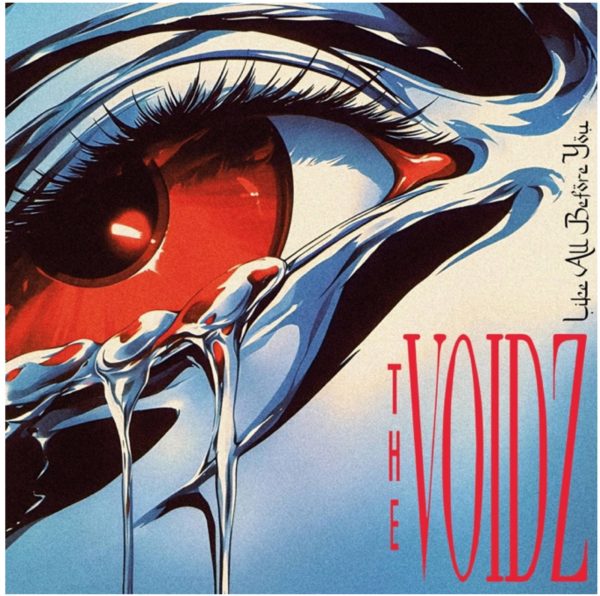
Remember “Like All Before You?” Good, because there’s more to that story. The album was raked over the coals not only for its mediocre songs, but also for its — and I say this with a deep and heavy sigh — AI-generated cover art. This would have gotten any major band into some hot water, but given Casablancas’ progressive political ties, they received especially fervent (albeit deserved) pushback. Casablancas defended the use of AI art on the cover, saying that the artist the band initially planned to use wanted $150,000 for their work…and I guess it never occurred to them to hire a different one? I will not be going into every instance, but this is not the first time The Voidz has gotten in trouble for allegedly AI-generated work, and unfortunately, it probably won’t be the last. Yikes.
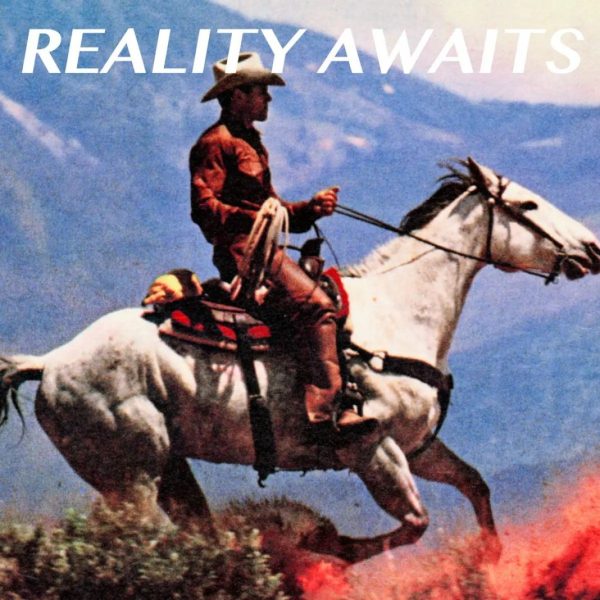
In another blow to The Strokes fans, the band’s creative team created a promotional video for “Reality Awaits” that is seemingly AI-generated. This has not been confirmed by either The Strokes or Casablancas himself, however, to the trained eye it seems highly obvious: figures merge into one shape and a perfume bottle sprays backwards. Casablancas or the band themselves can’t be entirely blamed for this, as they weren’t the creators of the video, but they did presumably approve any promotional materials before release. Fans were disappointed, but not surprised. Fortunately, the cover art is not AI-generated and is a very real untitled piece created by Richard Prince in 1989, thank God. Still, yikes.
On a positive note, the increased publicity push from “Reality Awaits” has provided some good press. Most notably, The Strokes performed at the Coachella music festival and ended their set with “OBLIVIUS,” accompanied by visuals (not AI) criticizing Israel and the U.S. government’s role in various human rights violations. This got a lot of press in general, but for those who aren’t Zionists, this was a brave act of political defiance and an example of someone with power yielding their influence for good. This also garnered attention from celebrity guitarist, Tom Morello, who commented on Casablancas’ page: “SALUTE! THANKYOU for raging against the machine 🔥.”
For a while, Casablancas was riding the high of this positive publicity and kept things up when he appeared on “Subway Takes” with Kareem Rahma. Then, of course, “Falling Out of Love” was released, and the group plummeted back to Earth.
What’s it to You?
I got into The Strokes when I was 13 years old. People often talk about how music or artists “saved their life,” and that’s not really the case for me. Honestly, in some ways, it might have made me feel worse; many a mental breakdown was fueled by “Reptilia.” It was just nice to have something to love when everything felt so gray and mundane. And I really, really loved it.
Reality Awaits, Indeed
Most of the anticipated listeners and I are not confident about the quality of this upcoming album. One fan commented regarding “Falling Out of Love:” “This is like the second plane.” Agreed, friend. Many have even become conspiratorial, one comment with over 3,000 likes saying: “So maybe when the album comes out all the autotune gets dropped, hence the name Reality Awaits….” In the vein of the secret good finale of “Sherlock” and “Stranger Things,” history is doomed to repeat itself, now for a secret good Strokes album.
For years, I’ve waited for this, all the while becoming increasingly embarrassed by Casablancas’ behavior. Other than the ignorant flaunting of planet-killing generative AI, there’s been a barrage of cringe-inducing incidents from him, such as replacing the lyrics on stage from “Juliet, I adore,” to “Juliet, I divorced,” and socially inept DMs to young women on Instagram. I’ve had to wrestle with the idea of stopping my support for The Strokes, but I never have because there hasn’t been anything that really crosses the line they’ve been teetering. It would be devastating to cut out their music as someone stuck in this hyperfixation for the past seven years. Still, as someone who believes in discontinuing support for people whom I don’t want receiving royalties, it’s hard not to feel like a hypocrite. That decision becomes harder to defend when they’re not even putting out good music. In the words of another Coachella headliner: “I beg you, don’t embarrass me, motherf*cker.”