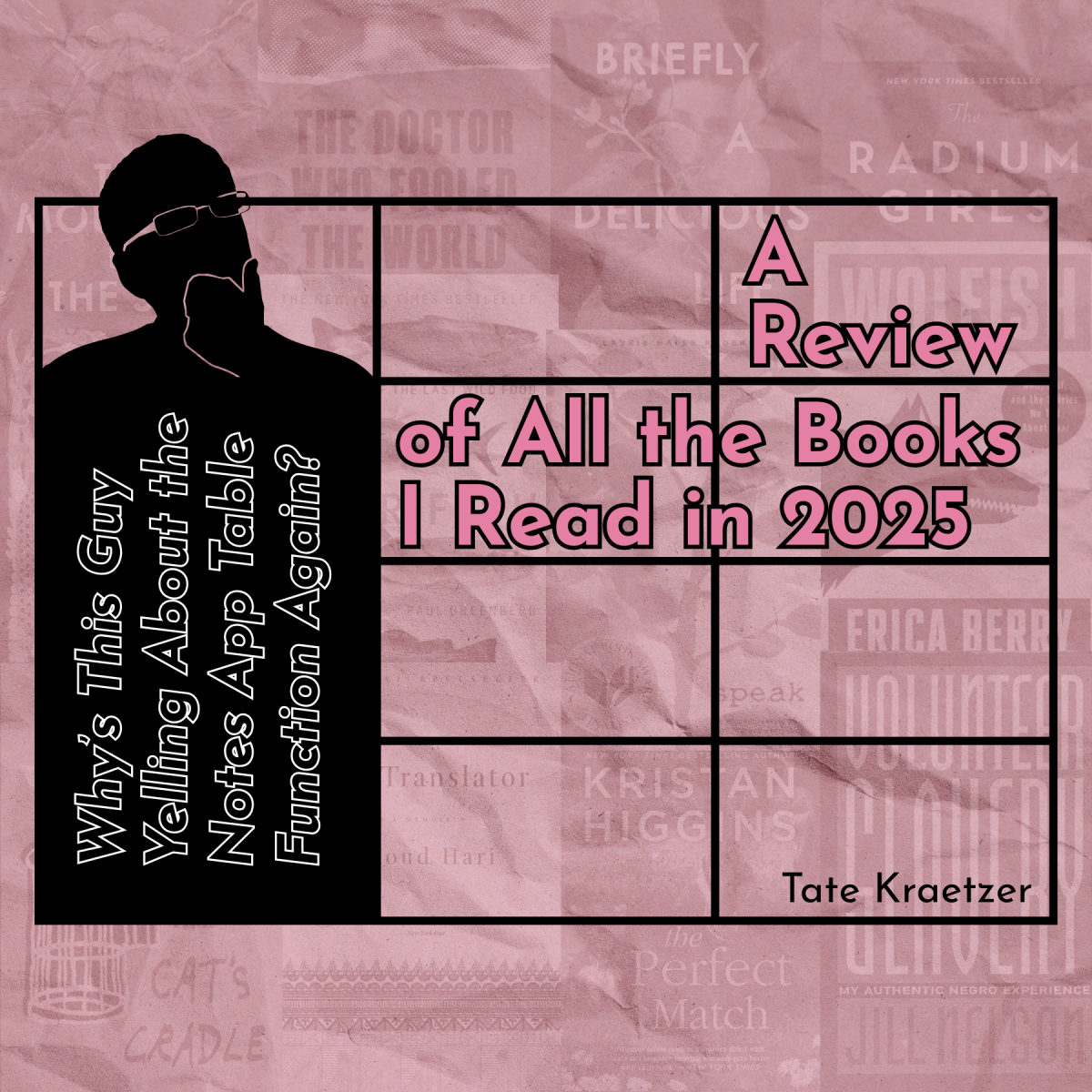
You may know about my insane (as some may call it, I think they mean “inventive” or “resourceful” but I digress) notes app table that contains the details of all of the books I read in a year, including my reviews of them — if not, now you do. Proceed.
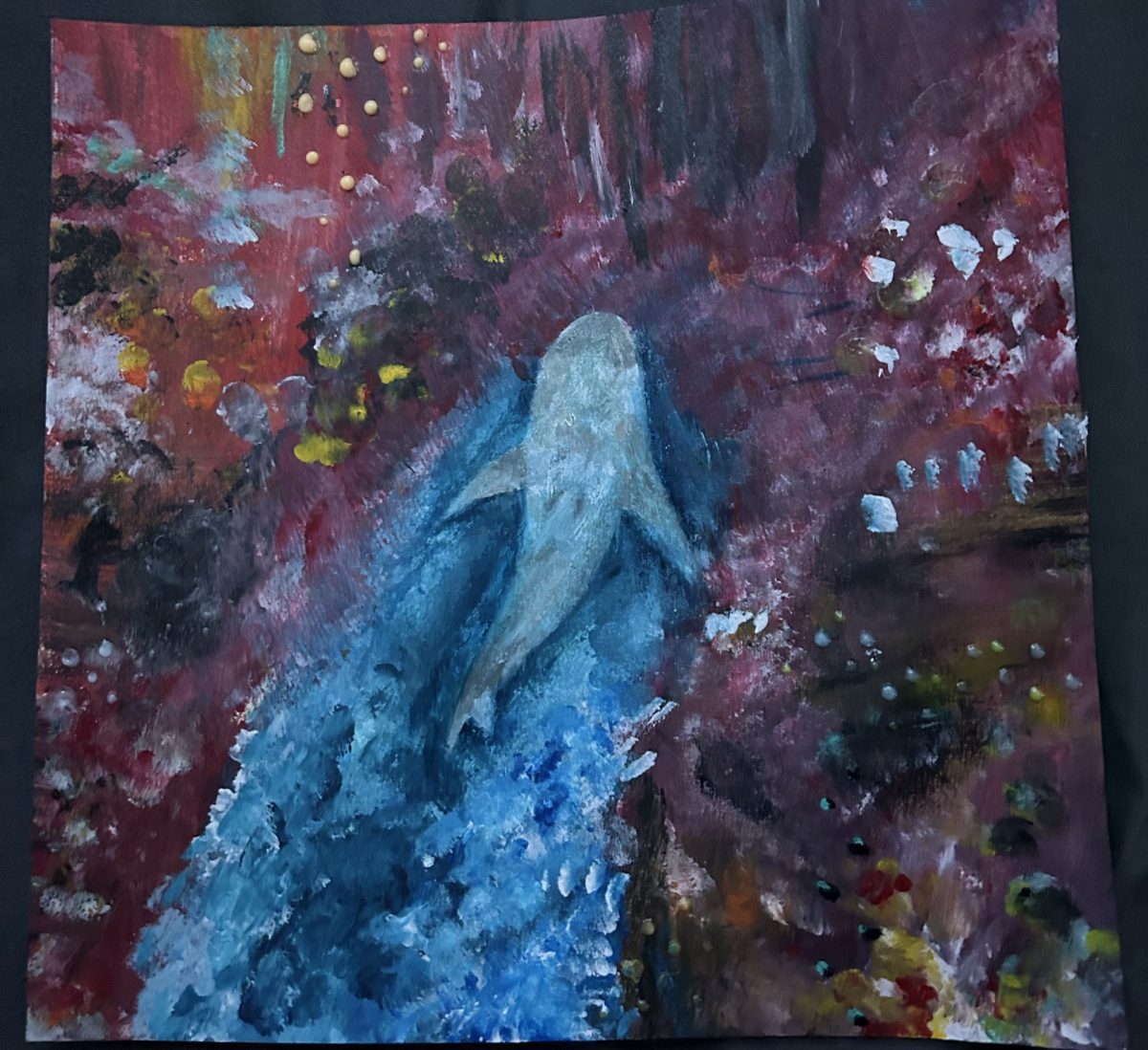
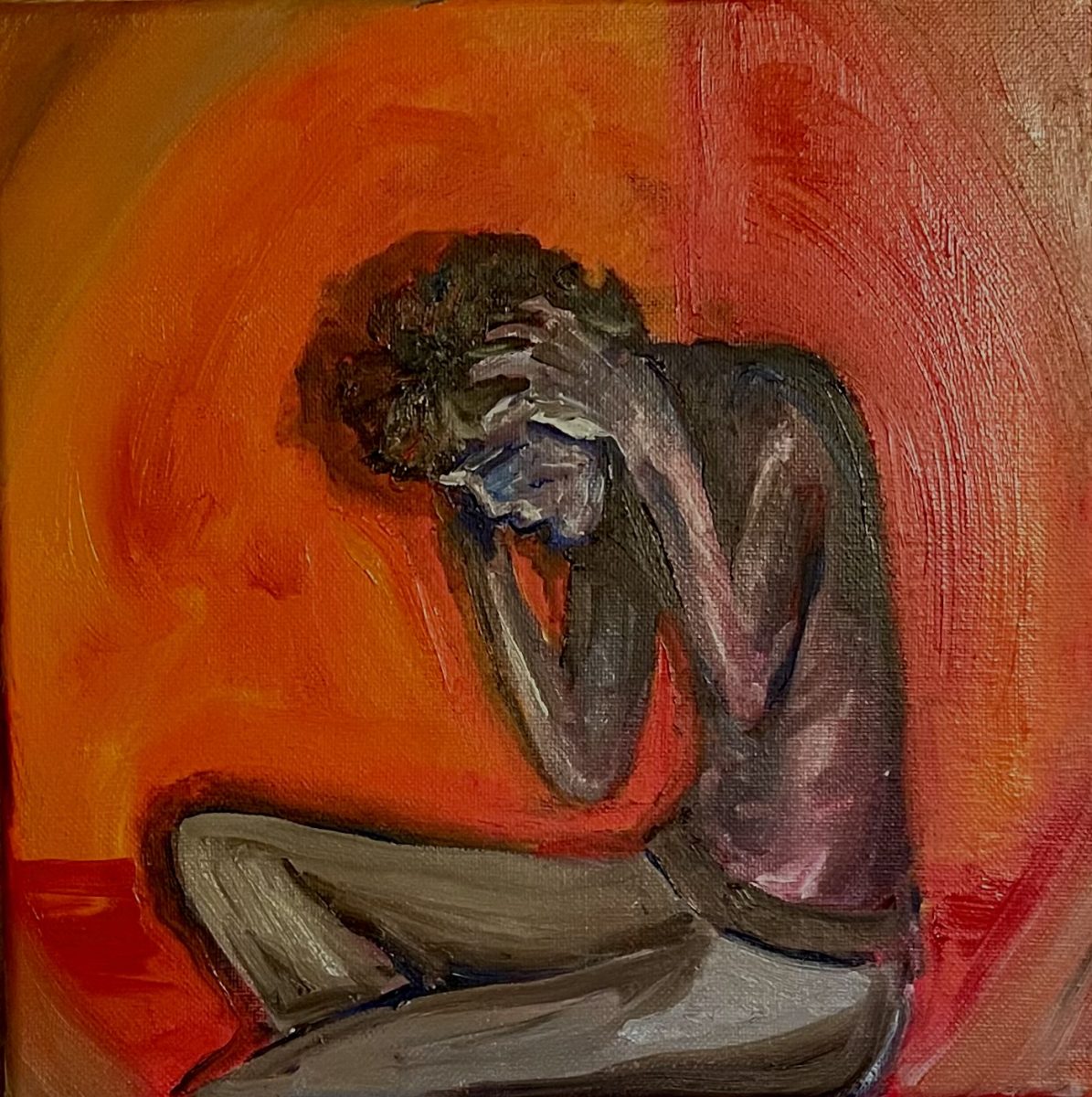
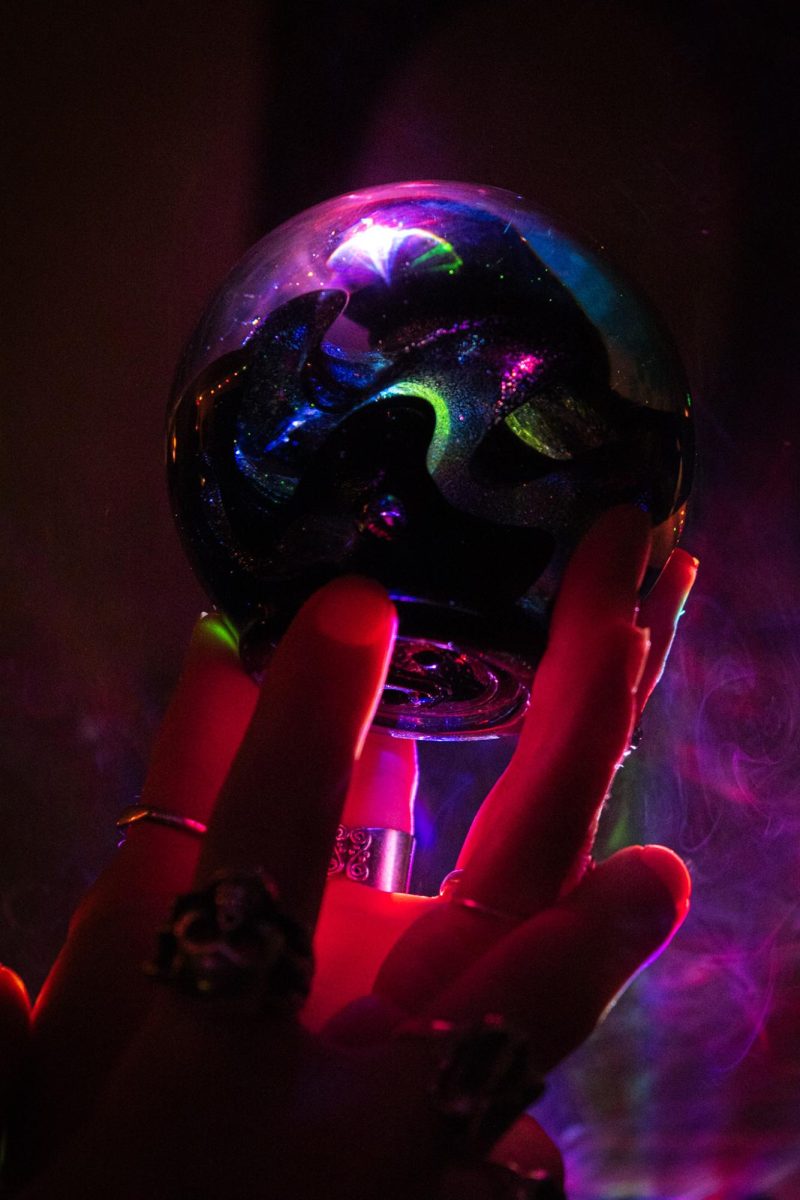
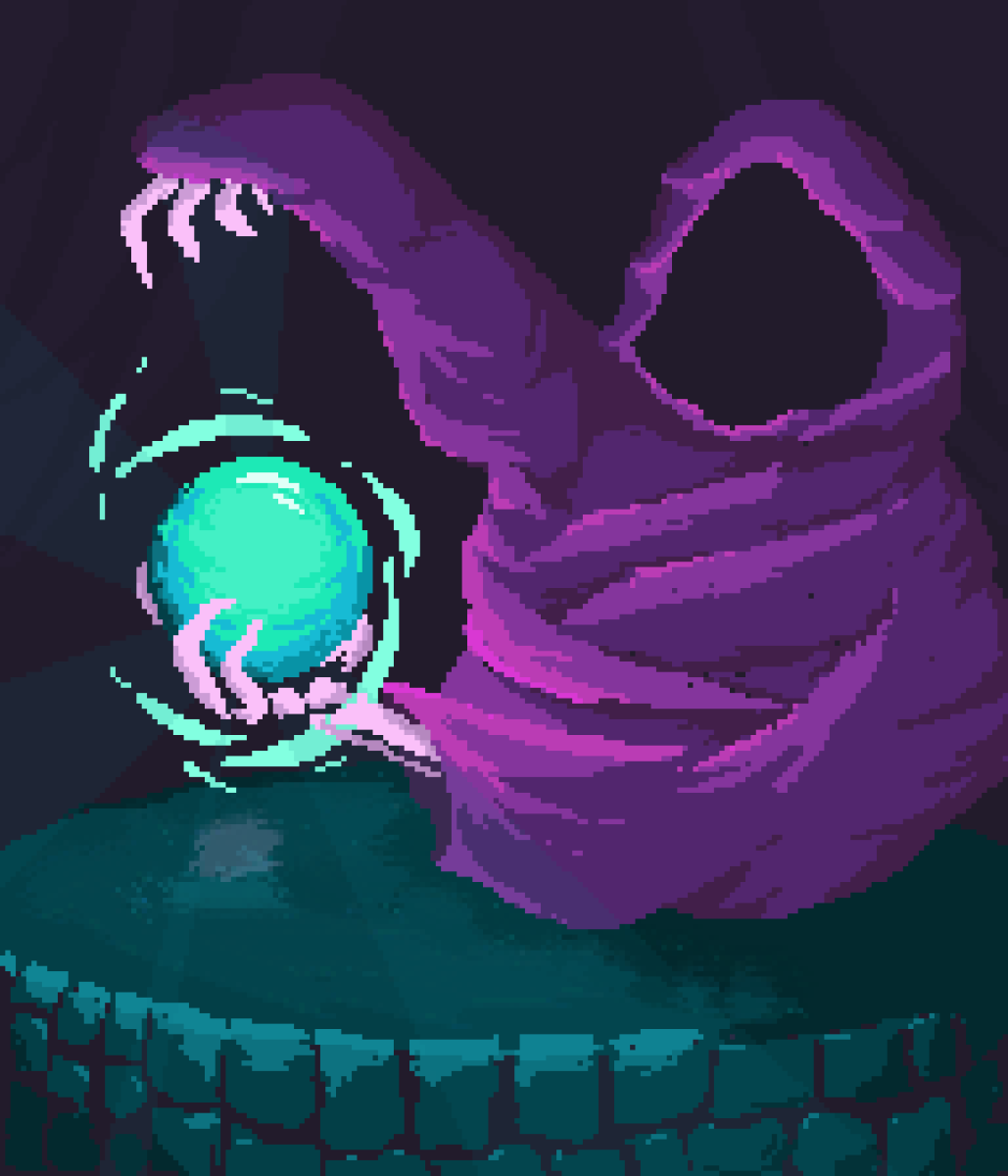
As I was saying: For those of you in the know, here’s my contribution to the 2025 book review space. And, listen, we’re going for quality over quantity this year, so kindly ignore the marked decrease in books I scoured through this year as compared to the last. Just tell me my visuals are pretty and move on, please.
Now, I know my notes app table book review system is not for everyone, so just for you I reorganized it into a nicely ordered, chronological list. You’re welcome.
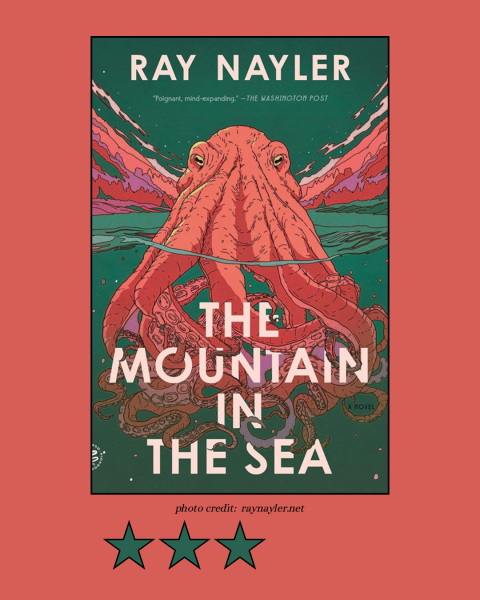
“The Mountain in the Sea” by Ray Nayler (2022)
Genre: Science-fiction, Fiction; Page Count: 452 p; Dates Read: 1/1–1/4
(Vague Spoilers)
3/5 — This book was supposed to be the perfect storm science fiction book for me: Nayler treats you to a sci-fi book with short, snap-shotted chapters, an omniscient third person narrator jumping between three main plot lines (with others sprinkled in), with a dystopian future society built up not only without excessive expository paragraphs (full immersion, learn-as-you-read style) but also global in scale instead of mysteriously confined to America alone, interesting characters with unique (enough) voices, strange underwater creatures, and overarching themes above the sci fi (consciousness, what it means to be human, what it means to be alien, connectivity and community as they relate to those definitions)…for the first 400 pages.
Everything is wrecked in the last 52.
The tension that was building leading to a final confrontation is quickly and miraculously deflated by one person dying and a secret “good guy”. The plot lines don’t converge in any cohesive way that justifies all of them happening in the same book, and the way Rustem and Evrim’s stories intersect is cheap and disappointing. In a book that doesn’t define the time period or exact date, because you as a character are supposed to know that, it would have been so much more interesting if the three plots were revealed to not be linearly related, but converging at inconvenient times (if Rustem was the hacker interviewed on the boat or if Eiko’s ship was the first we saw to breach the island perimeter, both of which would build tension and lend themselves in the timeline to Ha’s character growth), allowing for a more impactful final confrontation.
I saw many complain about the lack of octopuses, which fair, but to have a genuinely enjoyable meditation on humanity (and the things that come with that like consciousness, invention, slavery, genocide, destruction) rush to a close where everything’s fine, we’re all good, and this book never needed to happen was, to me, what was incredibly disappointing about this book.
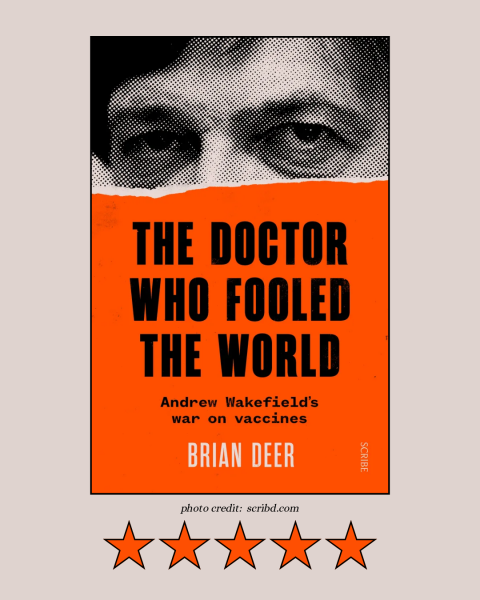
“The Doctor Who Fooled the World” by Brian Deer (2020)
Genre: Investigative journalism, Medical fraud, Nonfiction; Page Count: 377 p; Dates Read: 1/4–1/16
5/5 — “Here lived Andrew Wakefield / A doctor without patients / He brought us fear, guilt, and disease” reads the epitaph Deer proposes to replace the one on Wakefield’s family’s historical home (pg. 367). A fitting three lines to reduce the man to. Of course, there’s no real reducing him, as Deer quotes twice from the New Indian Express: “Can one person change the world? Ask Andrew Wakefield.”
The doctor without patients fantasized an autism epidemic while he encouraged a real epidemic of a much deadlier kind — measles returns with a vengeance and he grins all the while, returning to communities of outbreak where he’s preached his rhetoric and telling them that the resurgence of this possibly deadly disease proves him right, in some way. Vindicates him. Deer is the only person who could write a book on Wakefield’s fraud; the one to uncover this plot in the first place, and the kind of man who takes it, then, as his responsibility to continue tearing down the monuments of fear poor Andy leaves in his path. Witty, relentless, and (above all) empathetic, Deer unfolds the story of the scam that never ends.
Though dense at times, it’s not reflective of Deer’s skill, or lack thereof, as a journalist, rather a symptom of covering a fraud that intersects with complex sciences, including (but not limited to) virology, immunology, and gastroenterology. Deer repeats a couple of times that “the things we dwell on become the shape of our minds”; for Deer this means Wakefield and the mothers victimized by him. For those mothers this means Wakefield and the guilt they harbor for their disabled children. For Andrew Wakefield this means one of three things: Money, revenge, or infamy. Dealer’s choice.
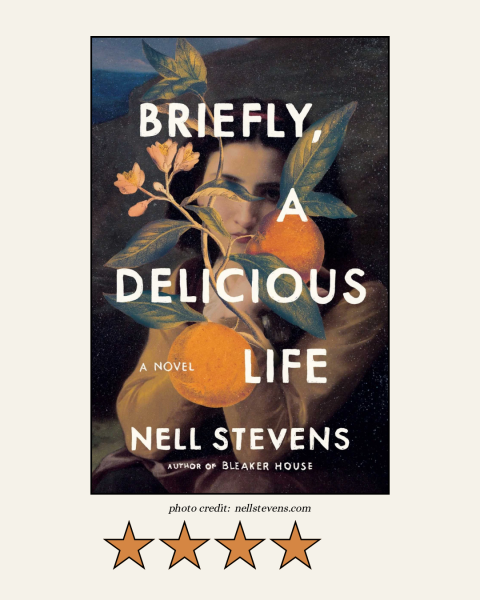
“Briefly, A Delicious Life” by Nell Stevens (2022)
Genre: Historical fiction, Paranormal fiction, Romance, LGBTQ+; Page Count: 291 p; Dates Read: 1/16–1/18
4/5 — Stevens gives one of the most bizarre and endearing reads I’ve ever had. Re-contextualizing real historical events through the lens of an outsider, much less a paranormal one, is so creative and enticing. Giving basis to her story with real people and their real affair I think solidifies the story, gives it weight, makes this an analysis of life as well as death. These are real, influential artists — of course Blanca fell in love with one of them, haven’t we all?
It’s a queer, one-sided love story narrated by a 400-year-old ghost, who doesn’t know why she’s here, but is trying to find out through the lives and dreams of others — like any other 14-year-old girl.
It’s a beautiful meditation told in short chapters, jumping between Blanca’s life and one of the most memorable periods of her death; the basis on real events cements the readers ability to love imperfect, questionably motivated people, it gives teeth to the whole story.
At 14, we all feel like no one can hear us, like we’re traveling listless through an unknown eternity; we all fall in love a little too quickly for rough-edged people; we all feel a little dead and maybe want to die a little more; but there is hope at the end of this period of our lives, where we feel, occasionally, like the universe is listening.

“The Radium Girls: The Dark Story of America’s Shining Women” by Kate Moore (2016)
Genre: Nonfiction, History, Science, Biography, Feminism; Page Count: 403 p; Dates Read: 1/28–1/31
5/5 — Moore is what the Radium girls have always needed: empathetic and angry. She set out to tell the human stories behind the glowing girls and did so in such a way that, even knowing these women would die from the get go, you still cried when they were put in the ground.
Like any good debunker, Moore raises suspicion in the mis-informers — making digs at their intentions and detailing the money behind their motivations. She never lets you forget how long people have known Radium can kill. Before the first dial factory, before the master cures, before the cancer treatments — Radium was known to be largely unknown, and deadly. The fingers, toes, and lives lost were not inevitable, but if you knew Radium they might as well have been.
Willfully ignorant to the risks of bioaccumulation, happily forgetting Radium’s similarity to Calcium, and all too grateful to give lab workers lead-lined aprons while instructing women to put their brushes in their mouths — Radium companies couldn’t wait to sign these women’s death warrants. But, they didn’t count on these women — bright and dying — fighting back. Many had to learn that there was no recovering in the middle of their trials for compensation, were told that they were dying under oath, and did not back down in the slightest.
The Radium Girls were not voiceless then, and now they never will be again.
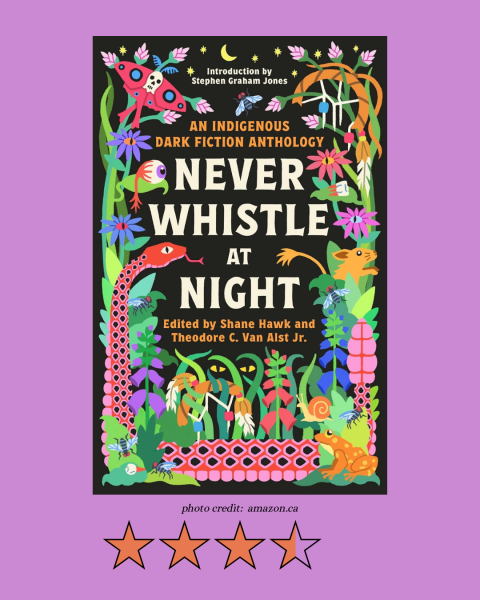
“Never Whistle at Night: An Indigenous Dark Fiction Anthology” edited by Shane Hawk and Theodore C. Van Alst Jr. (2023)
Genre: Dark fiction, Anthology, Fiction; Page Count: 392 p; Dates Read: 2/3–2/23
3.5/5 — While there were a good handful of stories I quite enjoyed in this collection, including the foreword by Stephen Graham Jones, most suffered from the same shortcoming. They were too short. For many of the stories, I was entirely invested until the ending came around — the build up was brilliant, the concept compelling, but then it seems as if the author realized they were encroaching on their page limit and rushed to the end as quickly as possible.
As a long time fan of short stories — especially those of the science fiction, horror, or dark fiction genres — I was excited about and disappointed by the collection in short order. While, overall, many of the stories were not my cup of tea, there were a few that stood out to me:
First, was “Tick Talk” by Cherie Dimaline — a beautiful exercise in the horror of indifference. Beginning with that of the main character, Son, towards the world and culture and people that built him, until he meets something that cares even less about him and his apathy. This short story was one of my favorites from the collection, with excellent pacing, gripping language, and a dark meditation on the danger of forgetting.
Next, was “The Prepper” by Morgan Talty — an illustration of the very real way that stories can be twisted by troubled minds, especially those promised the apocalypse by media, capitalism, and greed. There’s an uncanny feeling that comes with a story stuck in limbo between intensely modern themes and actions, and deeply ancient tales and threats.
Other stories I loved but nevertheless have few articulate things to say about include: “Human Eaters” by Royce K. Young Wolf, “The Longest Street in the World” by Theodore C. Van Alst Jr., “Uncle Robert Rides the Lightning” by Kate Hart, and “Eulogy for a Brother, Resurrected” by Carson Faust.
Now, thoroughly enjoying six of the twenty-seven shorts in this collection is not a horrible percentage, but it’s fewer overall than I’d hoped to connect with.
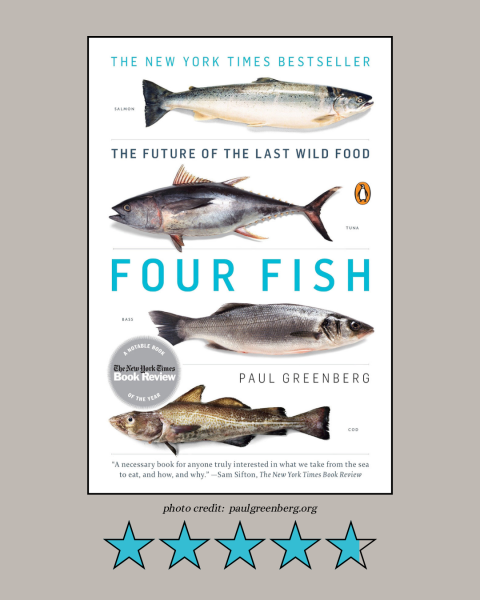
“Four Fish: The Future of the Last Wild Food” by Paul Greenberg (2010)
Genre: Nonfiction, Food, Science, Sustainability, Nature; Page Count: 261 p; Dates Read: 3/21–4/2
4.75/5 — This book reminds me so much of a book near and dear to my heart: “Under the Sea Wind” by Rachel Carson (the love of my life). Like Carson who traced various creatures through the three main segments of the ocean —shore, continental shelf, and deep sea —Greenberg offers a step-by-step analysis of an ecosystem through symbolistic organisms: Salmon to represent the inland rivers, cod to represent the ocean just offshore, bass to represent the continental shelf, and tuna to represent the deep sea.
And I really do mean an eco-system — the oldest and largest of them all; an ecological system — as in the part of the universe being observed, as in a series of interconnected parts and boundaries. Of which there is very little universe unobserved (due to both the extent of water on our planet and the way we have pushed through its boundaries as a species, like a toxic ex — though they can never quite shake us).
Whereas Carson sought mainly to educate, Greenberg sought to outline an issue and tailor solutions to the steps of degradation we have wrought on our planet’s water resources, from the innermost rivers to the open ocean.
My largest grievance with this book is the variable disrespect of cultures, interviewees, or subjects of observation by Greenberg — I did not always appreciate the way he discussed people.
My greatest commendation with this book is how Greenberg offers solutions to the issues he addresses, which helps support the final line of his epilogue — we have to hope this is not hopeless.
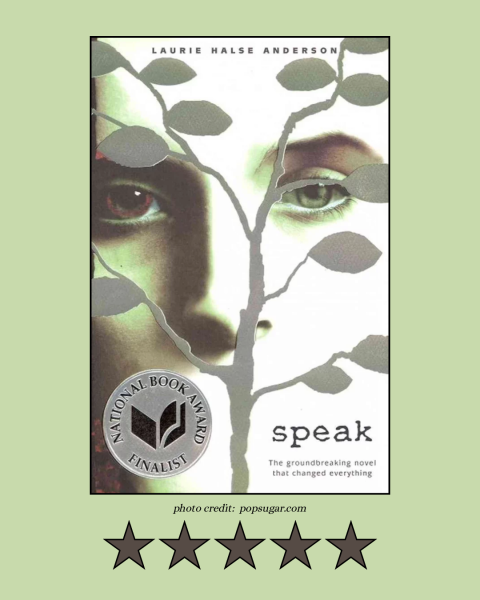
“speak” by Laurie Halse Anderson (1999)
Genre: Fiction, Mental health, Young adult; Page Count: 198 p; Dates Read: 4/4–4/4
(Content Warning: Sexual Assault)
5/5 — I’ve been hearing incredible things about the book and movie for years by the time I picked it up myself, and I must say they are incredibly justified.
Halse Anderson is adept at achieving that style and tone so indicative of early high school. The beginning of each section is marked by a report card — because that’s what seems to matter then, especially to the adults you tell your stories to — and the thought processes so clearly teenage-girl are incredible.
You can’t help but feel for Melinda, find yourself in her, and want to cradle her close all that much more. It’s a delicate balance: to make Melinda and her experiences feel real, to make you care, and to then keep you reading. Maybe it’s because you can’t just be another person who heard her speak and decided to turn away.
This book is tense and intense, and so deeply human. Though the final confrontation feels rushed after such a long time coming and after so much tension, it feels right too — after all, the worst day of your life is sometimes three minutes on a random Tuesday. This is the story of a young woman taking back her life, her body, her right to fill space, her right to make mistakes, and (most importantly) her right to speak.
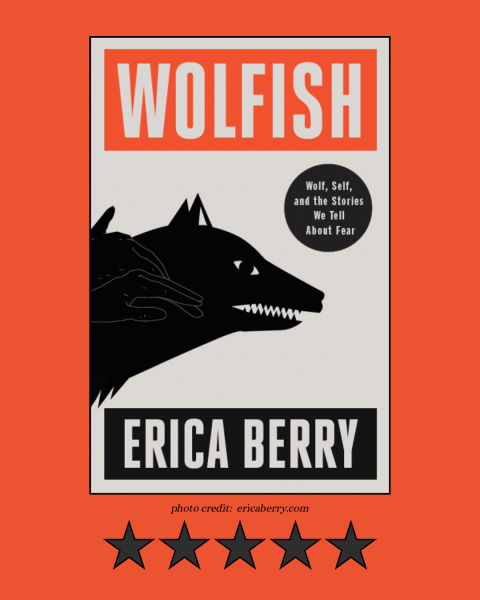
“Wolfish: Wolf, Self, and the Stories We Tell About Fear” by Erica Berry (2023)
Genre: Sociology, Nonfiction, Fairytale/folklore history, Memoir; Page Count: 373 p; Dates Read: 6/19–8/12
5/5 — This book brings back to me much of what I loved about my favorite book of all time: “The Book of Eels: Our Enduring Fascination with the Most Mysterious Creature in the Natural World” by Patrik Svensson. The exploration of memoir (how we reflect the natural world against ourselves, how we paint our stories into new skin), science (how we have been reflected onto the natural world, how our skin changes what stories are told), and the fear-fascination impulse that fuels our words (what we say and what lives to be written down).
Berry indulges more in memoir than Svensson does, but I’m confident other lovers of his work will find a home in Berry’s as well. The dedication to dissecting how the stories we tell about fear shape the stories we tell about wolves is enchanting. The intention put into even the chapter titles was staggering — the framing of a binary, adjacent to a court case, reminiscent of the way all of these battles have taken place on the stage of public opinion, hand in hand with the government and whatever vision of justice pervades at the time.
To me, the pacing was even, the stories were told in the right order, and the interspersing of Berry’s memoir and OR-7’s biography reflected the way us animal lovers often project ourselves onto the life cycle of our favorite subjects (having been guilty of this myself). For those looking for a scientific account of wolves, this story is not for you — this is the sociological unraveling of why we have spent our lives killing wolves and called it killing fear, and where to go next.
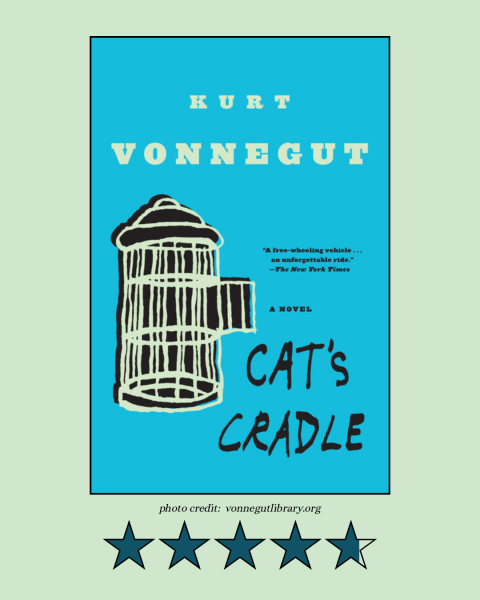
“Cat’s Cradle” by Kurt Vonnegut (1963)
Genre: Fiction, Satire, Humor, Science-fiction; Page Count: 287 p; Dates Read: 8/12–9/4
(Potential Vague/Light Spoilers)
4.75/5 — This book recalls to me my favorite of Vonnegut’s books, “Mother Night.” Whereas the message of “Mother Night,” as expressly written in the introduction, is “we are what we pretend to be, so we must be careful about what we pretend to be,” the theme of “Cat’s Cradle” seems to be: The world is what we pretend it to be, so we must be careful about what we make of it. As Newt acts out on page 179: “Little Newt held his hands six inches apart and he spread his fingers. ‘See the cat? See the cradle?’”
In the realest way, this book is a surprisingly deep warning about the danger of allowing life to become a work of art, of handing out bread and circuses in the way of a playbook-religion and a role to play, of crawling into a jar and allowing others — or being the one — to continue “shaking, shaking the jar” (p. 15).
In a different way, this book is a collection of people choosing how to see the world and manipulating their chosen strings of life to do their bidding.
Every character in this book seems to understand deeply what role they play — what to say, what to reveal, what to do — at every given moment in time. Unwittingly, they have been preparing for this final act their whole lives. Maybe Jonah never wrote that book about the day the world ended, or at least the one he intended — but he still managed to find that story, with largely the same cast. Maybe Ambassador Minton’s last minute break away from his script is more indicative of the end times than anything else.
Hidden among gut-wrenching quotes about American identity and ridiculous characters doing even more ridiculous things — among offhand replies that end the world and someone ever shaking, shaking the jar — is a collection of shameless lies that reveal something about each of us. And then it ends. As it was supposed to happen.
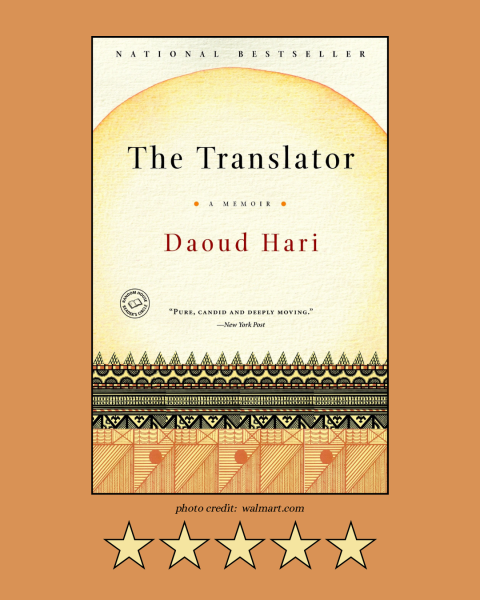
“The Translator: A Memoir” by Daoud Hari (2008)
Genre: Memoir, Nonfiction, Politics, History; Page Count: 202 p; Dates Read: 9/5–9/15
(An account of the genocide in Darfur, acknowledged politically as the conflict occurring from 2003-2008.)
5/5 — This book is one man’s true story as a translator, tribesman, and survivor of the Darfur genocide — which seemed to me an important read in this day and age, when genocide has once again been declared in Sudan, and many more places are fighting for the right to be acknowledged as such, to receive aid and to survive another day.
Hari is an incredibly moving linguist. He’s funny when it seems all humor should have been lost (“You have to find a way to laugh a bit each day despite everything, or your heart will simply run out of the joy that makes it go,” p. 90); he’s honest and optimistic in an unfathomable way, believing still that people are generally, innately good — that despite the horrors he accounts, even those done to him, there is empathy for all living beings. He’s an artist with his words, finding the beautiful things to say where none seem to be left (“I, too, had chosen to risk myself, but was using my English instead of a gun,” p. 5).
This book is a brutal read, but Hari manages to be kind in the face of it. He illustrates a complex history of conflict, of friends turned foes turned executioners, of children and women and men who have lost everything but still stop to help anyone in their path, of loyal donkeys and even more loyal camels, of people who have fought with, by, and for him and the millions of displaced Zaghawa people he calls his family. As Hari says, “You have to be stronger than your fears if you want to get anything done in this life” (p. 11).
One of the more moving choices made in the printing of the book, was the inclusion of the Universal Declaration of Human Rights at the very end — past the memoir and the acknowledgments and the first appendix on the full history of the genocide. I somehow managed to fight back tears until I read that document, until I read all 30 articles and could point idly at every single one that had been violated in the book I had just read.
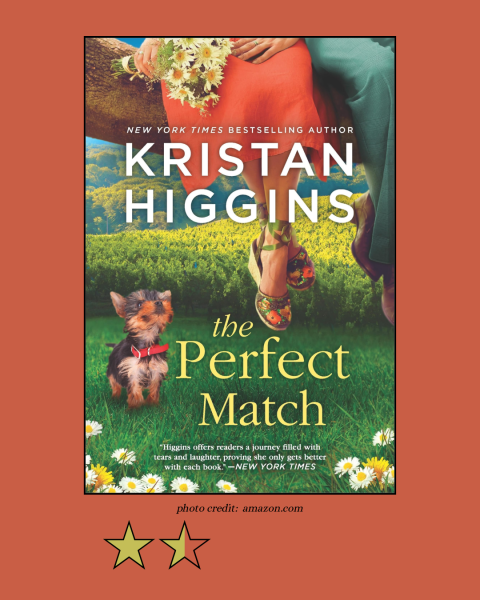
“The Perfect Match: A Blue Heron Novel” by Kristan Higgins (2013)
Genre: Romance, Fiction, Contemporary; Page Count: 408 p; Dates Read: 9/15–9/16
(Probably Spoilers — I don’t even really care.)
1.5/5 — Now, listen, I am not the target audience for this book: I don’t like romance and I didn’t even pick this book for myself — but I’ll be the first to say that I had a good time reading it. So, if I enjoyed it, why did I rate it so poorly? Well, this book might have gotten a 3/5 from me, had it not suffered from predictability. Let’s start, though, with where those first two stars went — largely from a combination of four factors.
1. The heavily, and I mean heavily, enforced ‘male’/’female’ dichotomy, as in: “Tom was…all testosterone-riddled, muscular, sweaty delicious alpha male” (p. 326). Kill me.
2. Everyone is unbelievably horny, everyday, all the time. Moving on.
3. We get told the characters are good at what they do, but never get to see it. Supposed no-nonsense business woman of her family’s vineyard Honor (the FMC) is unbelievably pathetic, and crushingly naive; incredible, kind (but only to his unofficial step-son Charlie), genius professor Tom (the MMC) doesn’t even teach past the first chapter.
4. My least favorite: instead of giving Honor a conscience or a little green grasshopper on her shoulder, her ovaries and eggs talk to her every time she interacts with a man. Eventually, she starts talking back to them. Out loud. In public. This ties into a problem with the book where it seems to imply every woman should get married and have kids and they’re all just waiting for the right man to do so with, but the ovaries thing is my main problem, enough said. (Of course this doesn’t even broach the subtle racist and homophobic vibes I picked up on, but I digress.)
So, then, how did we lose another 1.5 stars? Well, after reading just the back cover, I made a list of four predictions for what would cause the third act breakup — the family vineyard (death, repossession), Charlie’s mom comes back, Brogan (Honor’s crush) realizes he’s in love with her, Dana (Honor’s ex-best friend that stole Brogan from her) comes back to take Tom too — with the express intent that should any come true, I would deduct one star per. You can see how that went.
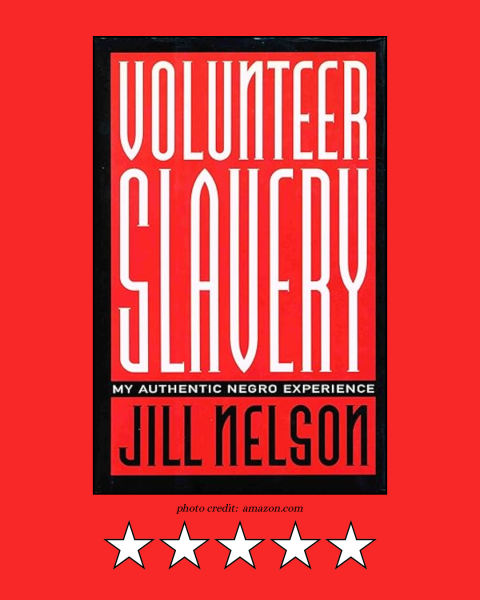
“Volunteer Slavery: My Authentic Negro Experience” by Jill Nelson (1993)
Genre: Memoir, Nonfiction, Race; Page Count: 241 p; Dates Read: 12/11–12/30
5/5 — “We never talk about it. [And yet] we are changed, for better and for worse, forever and ever, amen” (p. 131). This memoir is a collection of moments people never talk about brought to light by an author fed up with the cautious, fearful, caustic silence.
These may be overused adjectives, but Nelson is cynical, bitter, funny, and unerringly honest — above all, no matter your race/gender/sexuality/background, she is relatable. This is a story we can all find ourselves in: Trying — endlessly — to find a place for our stories in the zeitgeist, characterized by an intense American need for individuality but also a desperate American need to fit in.
What does it mean to be “authentic”? What does it mean to be oppressed? What does it mean to be a person in a commodity-headline driven market? Why are we being sold in a market in the first place?
Nelson aims to pose, answer, and dissect these questions and more in this book. While a narrative about her experiences in the 1980s as the first Black female writer at the Washington Post’s Sunday magazine, published in the early 1990s, this story is still relevant to readers — people — today. The extent to the ignorance, the ignoring, that Nelson faced may not be one-to-one repeated in this day and age (though we seem to be going down that road), but it is most certainly reflected and renewed. As Nelson says, to be Black in corporate America, to be “othered,” is to be “basically subversive, and thus should be viewed with suspicion” (p. 150). Being a “real” writer or having an “authentic” experience will always be judged against the prominent culture and the accepted counterculture, and if it does not measure up, neither do you.
Nelson most definitely is a “real” writer — a master of prose, dialogue and style (how the two interact to establish frame of mind and growth, i.e. her mother’s patterns of speech), and engaging storytelling. Not only is her story as a “first” incredibly valuable to read, but her experience as a Black woman in America augments this book with eternal relevancy for the culture and the individuals living in it. This book is for anyone who agrees: “Now, I am just tired of the lines, the silence, the circles of bullshit. I want out of my closets” (p. 220).
So that was my year in books!
As you may have been able to tell, one of my goals for the year was to read more fiction, so I hacked it by forcing myself to switch off between fiction and nonfiction. While not for everyone, I think it was a great way to palette cleanse and get out of my comfort zone.
And that’s really the beauty of reading, whether you’re reading for pleasure or business, fiction or nonfiction, your pick or your friend’s — it forces you into a place of if not discomfort then unfamiliarity. You are a guest in the narrative, so you get to design your character. Change your mind. Learn something. Grow.
Please visit your local library, school or city, and your local second-hand bookstores. If you don’t like physical books, look for places to check out e-books or download free PDFs. If you don’t like reading, look for places to borrow audiobooks or readings on YouTube.
Just… engage with things that scare you. Read radically.
Resources:
Places to borrow local:
The Valley Library — check out books, e-books, audiobooks, videos, journal articles, games, tech, etc. (you should check out the Library of Things!)
Corvallis-Benton County Public Library — check out books, audiobooks, digital library, DVDs/movies, magazines/newspapers, music, etc. (they also have their own Library of Things!)
Places to buy local:
The Book Bin — Salem and Corvallis (4th Street) locations
Grass Roots — Madison Ave., Corvallis
Goodwill — Albany and Corvallis (9th Street) locations
Places to source online:
Internet Archive — create a free account and borrow PDFs of thousands of publications (also the home of the WayBack Machine, a great tool for accessing defunct webpages)
Anna’s Archive — slow website but a great way to source articles behind a pay wall
(If there are any that I missed, mention them in the comments and we’ll amend the article!)