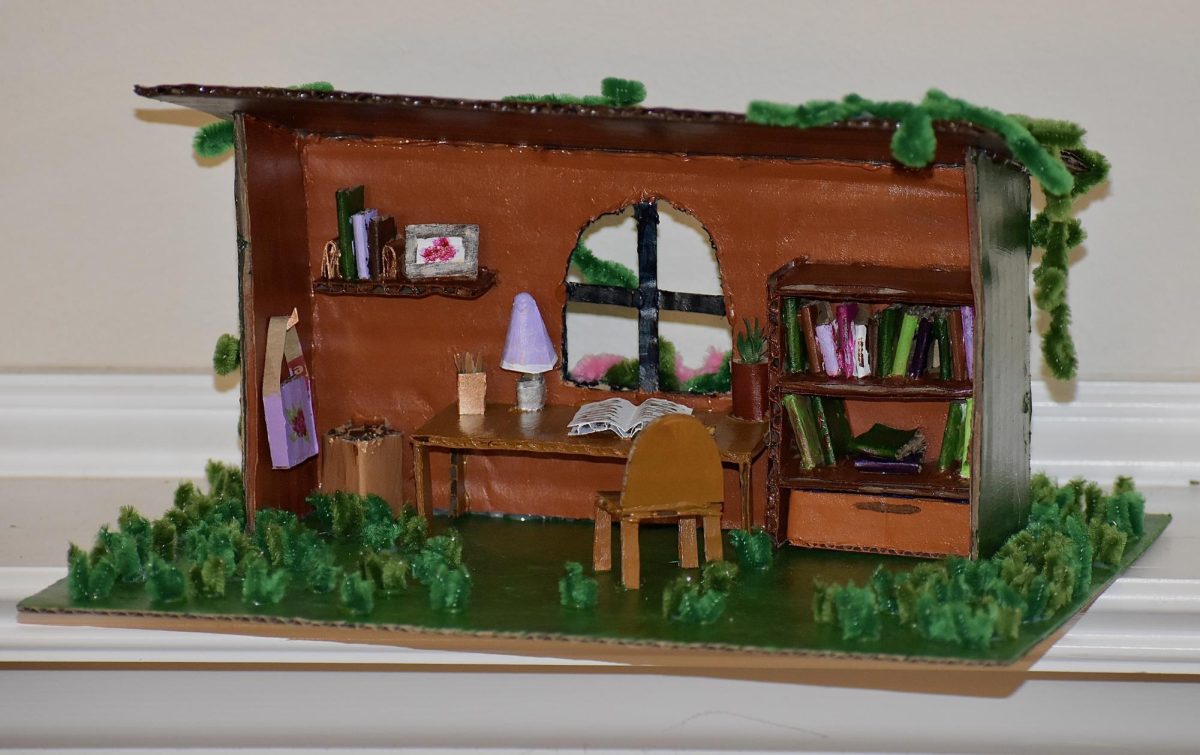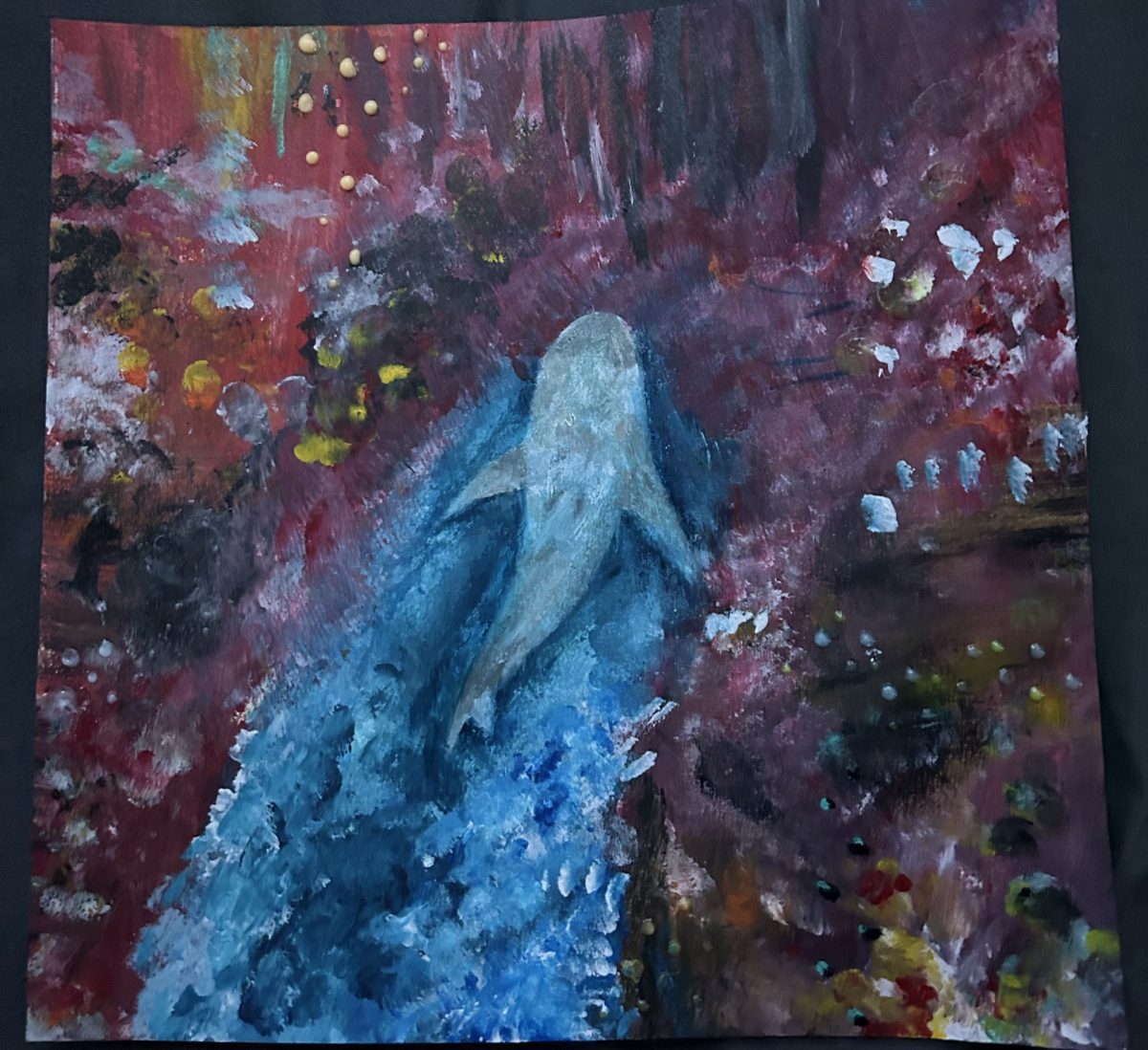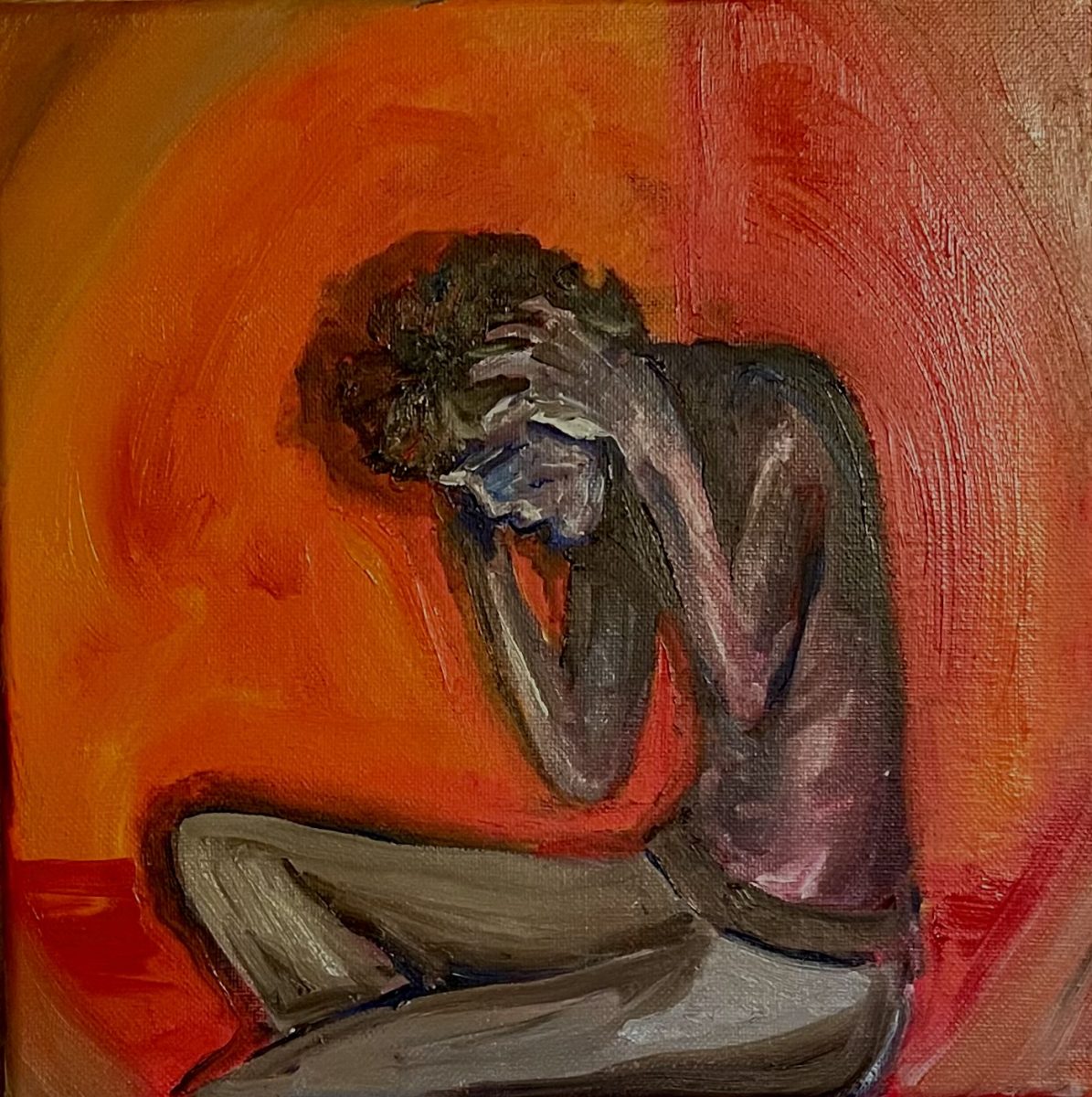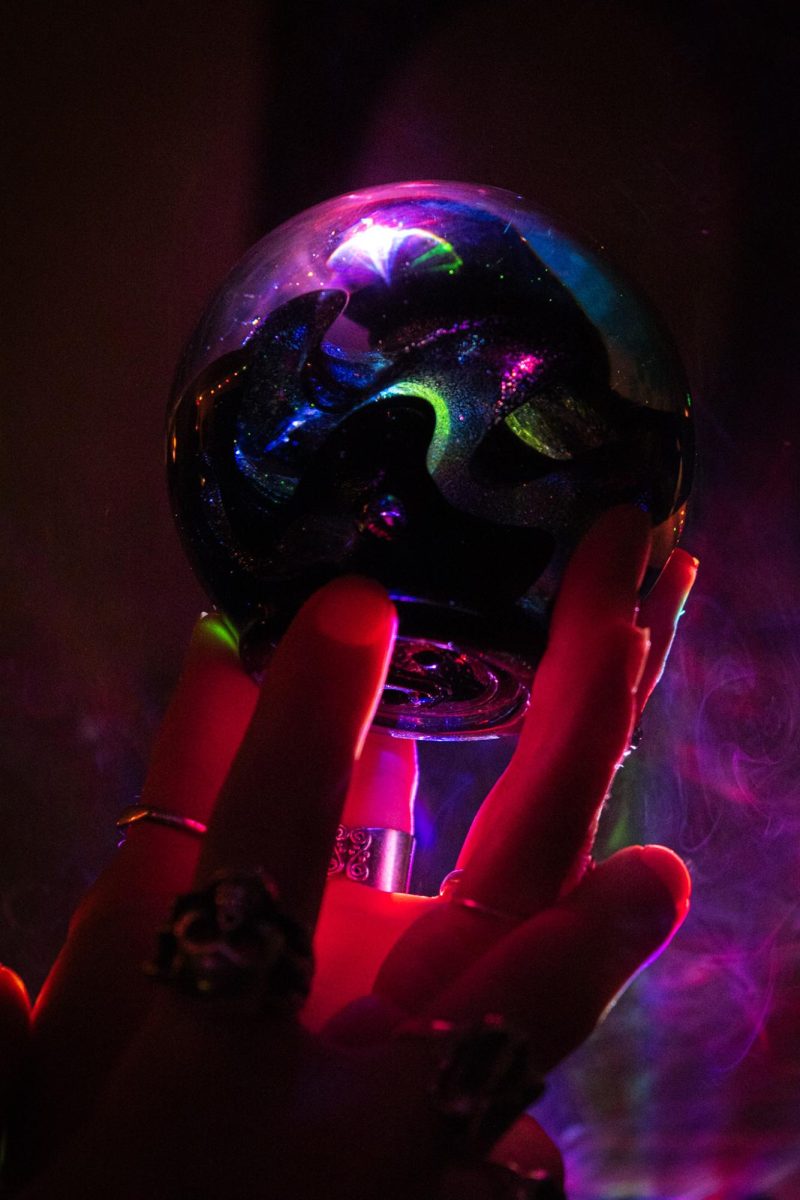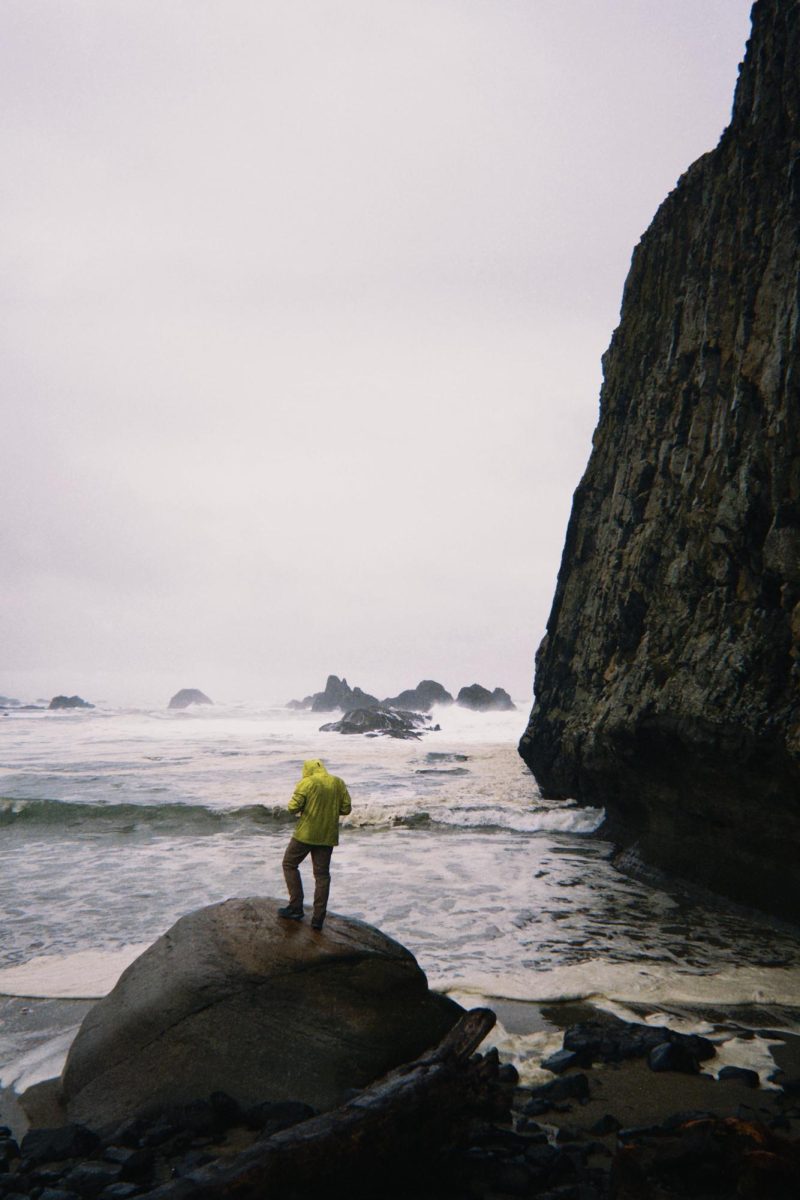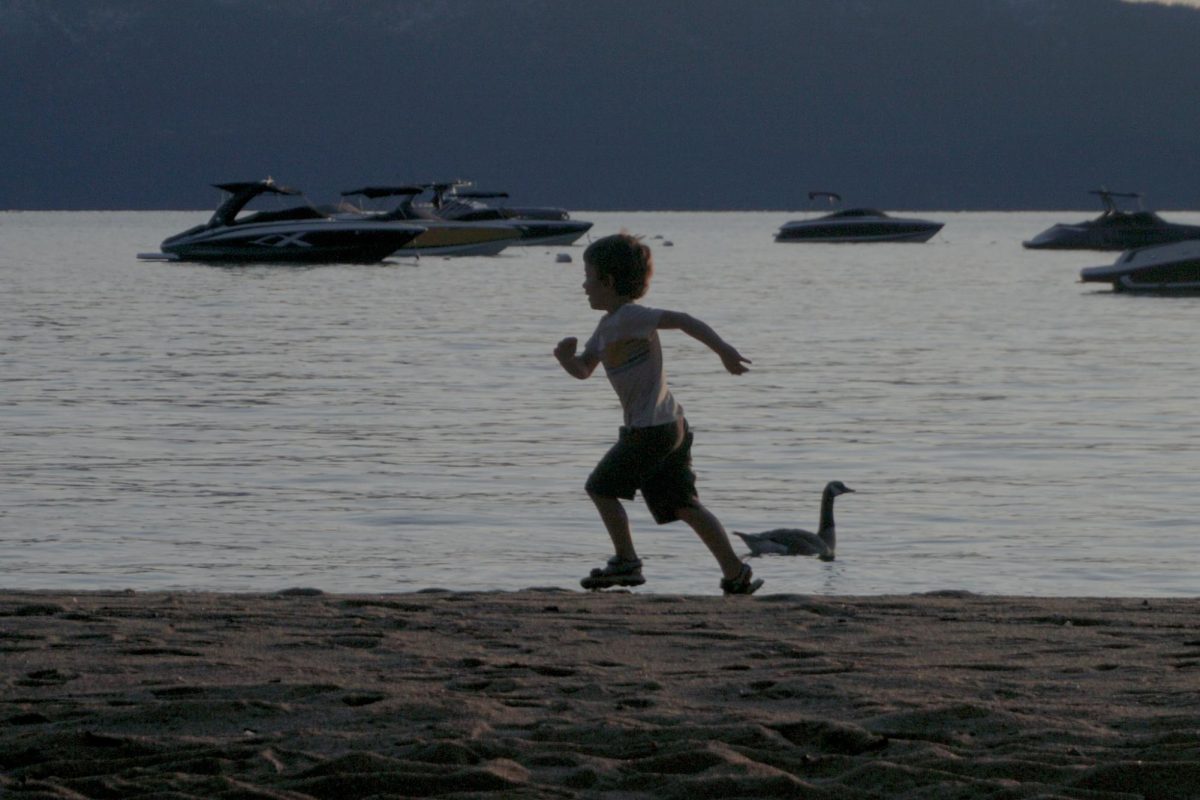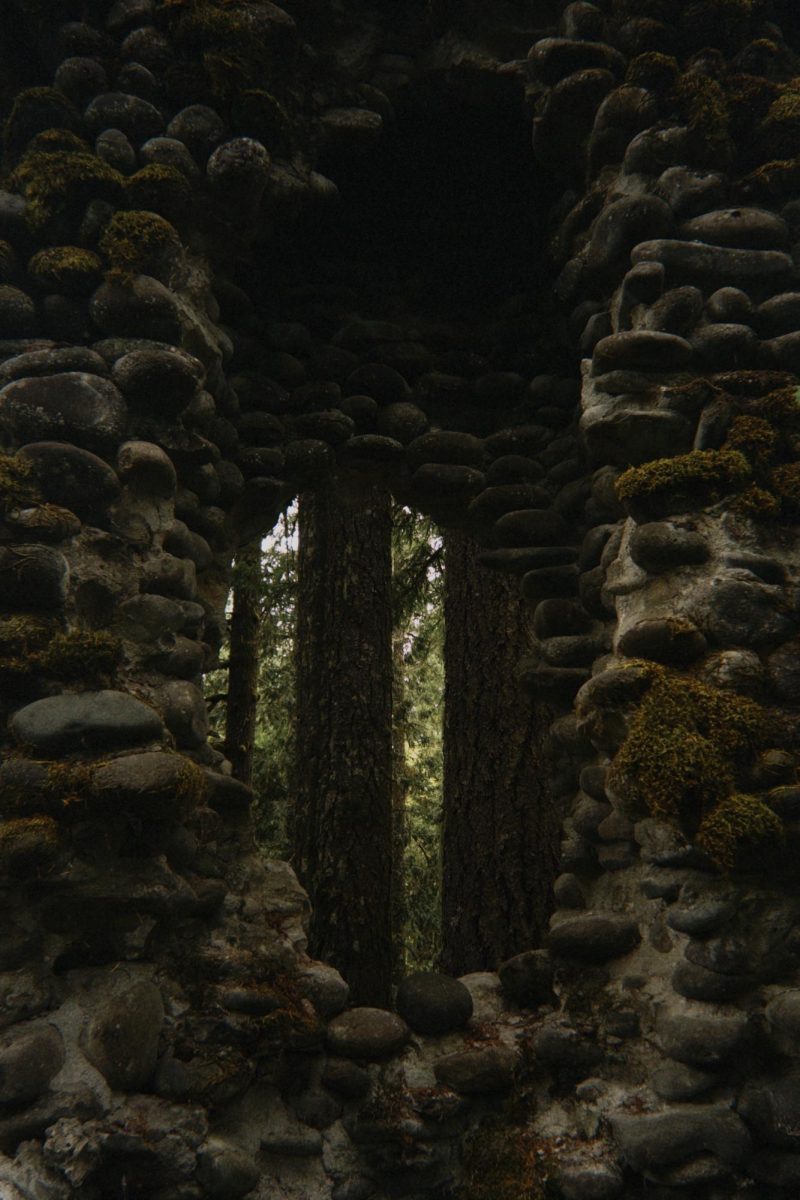
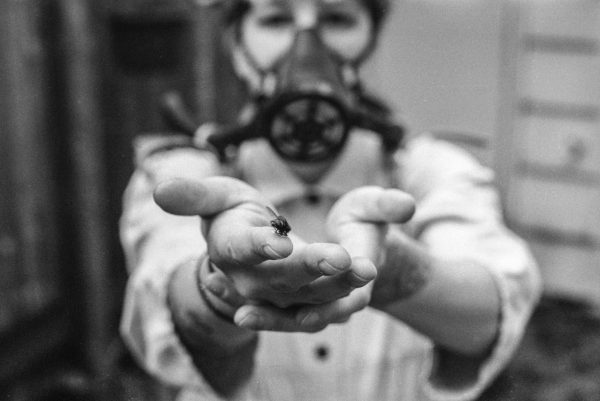
35mm Black and White Analog Photography by Brook Ferris
The Fly
Grace Rubio
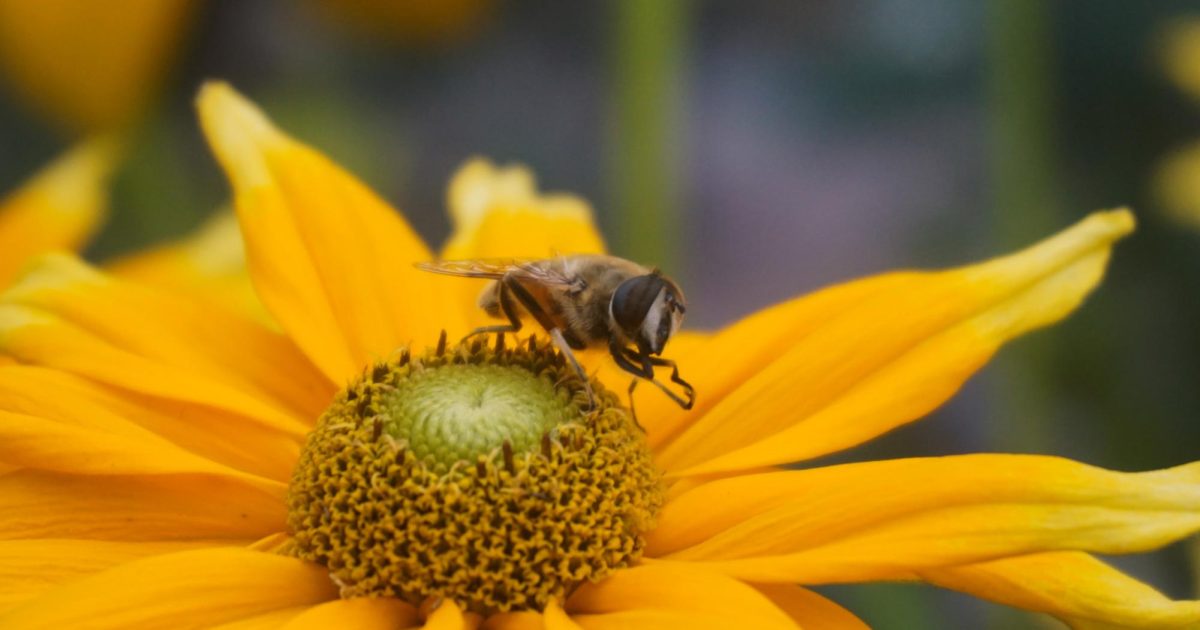
She stared at it. Landed here, on her upturned wrist, flown in from where? The trash, likely. The storm drains, the sewers. Perhaps it had escaped the grasp of a windshield or a makeshift swatter. She searched for a more pleasant setting to tie the fly to, but there didn’t seem to be one.
Had she not watched it land, it was doubtful that she’d have noted it at all. She watched how the spindly legs flexed on her skin; still, she felt nothing. Fly, no fly—two distinct experiences that would’ve proceeded as if they were the same. From the black mouth of the sweater, her hand jutted out, its skin pale, the blue veins pulsing, straining against their translucent surface. Distant, the appendage lay on the dark polished tabletop.
There was a book laying face-down at the end of the table. Swing it just right, no more fly. Or, she could carry the fly outside—that had only just occurred to her. Setting a fly free, rather than a butterfly or even a spider. It wasn’t something that people did. Fly, no fly, these were the same.
The buffed wood of the chair poked her back, and she shifted her weight. The fly was wobbling on her wrist. Fly, trash, sewers. Hoards of flies, a distant incessant buzzing, walking through a blackened low-hanging cloud, got ‘em all in my face, almost swallowed one, wouldn’t that’ve been horrible?
Its wings vibrated. The left wing appeared to be bent, it couldn’t fly.
She chewed on her chapped lip. A living thing, trapped atop her wrist. What did a fly think about? Food, go, bad. Actually, no, it wouldn’t use words to think. Its brain was so simple that it lived based on instinct alone. No thoughts, no thinking. She couldn’t imagine what that was like and she didn’t want to. There was a reason why no one answered to a fly. And yet, why was it that the same term was used to describe what she was currently doing and what the fly was currently doing? Living. I am living my life.
The book was staring at her from the table’s end. How easy it would’ve been to grab it and bring it down, hard, onto the fly. And then she’d slowly pull back the book, unveiling the dark-red exploded insides sticking to her skin, its mangled legs criss-crossing like barbed wire. Dead fly, dead creature. Dead living thing made dead.
On second thought, nevermind. No thoughts, no thinking—how wonderful that seemed. When you looked at something, it would stay within the confines of what it was. There would be no “this reminds me of that.”
At some point, a deepening and an intensifying had taken place in her breathing, her sternum throbbed as if being split in two by the sharp air circulating through her, round and round and round and round it went. Fly, no fly. Black eyes, dark body. Dark sweater, black hair. Fly, trash, sewers, smell, shit. Dead living thing made dead. This is what I do. This is my life.
She jerked her wrist and the fly was in the air for a short moment before soundlessly hitting the tabletop. Its legs scrambled against the air, it had flopped onto its back, its bent wing was fluttering against the wood. With a swish the book was swung and when it collided with the table there was a clap like a door being snapped shut.
The synopsis of the book faced the ceiling, the way that a body lies in its bed at night.
A hotness, borne in her chest, seeped outward until every extremity was lukewarm. Flies were what they were, and people killed them. That was the order of things. If you were ugly, if you were unclean, if you were attracted to the wrong things.
Like claws at either hunched shoulder, the realization crept over her: when she lifted it, there would be no more fly. Already, there was no more fly. No buzzing or scuffling was to be heard from beneath the book.
The fly. The fly. It had been alive, its wing had been bent, and she had killed it.
Brook Ferris
Biography: Brook has been immersed in photography for over half of her life. Her upbringing in Southcentral Alaska fostered an early appreciation for the storytelling power in a single image. In her current work, Brook seeks to challenge societal norms through photography, while exploring historical techniques and mixed media explorations that challenge conventional ways of seeing and documenting the world. Her work is rooted in a deep curiosity about how humans connect with and alter their surroundings. Brook continues to explore the intersections of art, science, and storytelling, pushing the boundaries of how we perceive place, shared histories, and environmental change.
Artist Statement: This work explores what the future could look like if we choose to care for each other and the planet—and what it might become if we don’t. Some pieces carry visions of hope held together by community and shared presence; others remind us how fragile the future is, shaped by the choices we make now. When visions of the future feel fractured or uncertain, I return to the idea that clarity can be found in the tender relationships that sustain us. The vision of the world we’re moving toward is not guaranteed; we must participate in shaping it together.
Grace Rubio
Biography: My name is Grace and I am an English-Education major at Oregon State. Writing has always been my favorite thing to do. It is very personal and typically very private to me. My stories are extremely character-driven; what is happening inside of the characters’ minds is much more interesting than what is happening around them. I’ve learned about writing from studying other authors. I take inspiration from what I observe in my own life, nature, and other media like music, movies, and art.
Artist Statement: This story begins with a fly landing on the narrator, prompting an internal tailspin that culminates in her killing it. However, this decision ravages her with guilt due to its implications about how the narrator views herself. The story presents roughly two types of visions: the idealized visions that we hope others will see of us, and we desperately want to see of ourselves, and the warped visions that we are often in the habit of accepting. The fact that the narrator is ultimate overpowered by these warped visions speaks to their frighteningly powerful psychological influence.