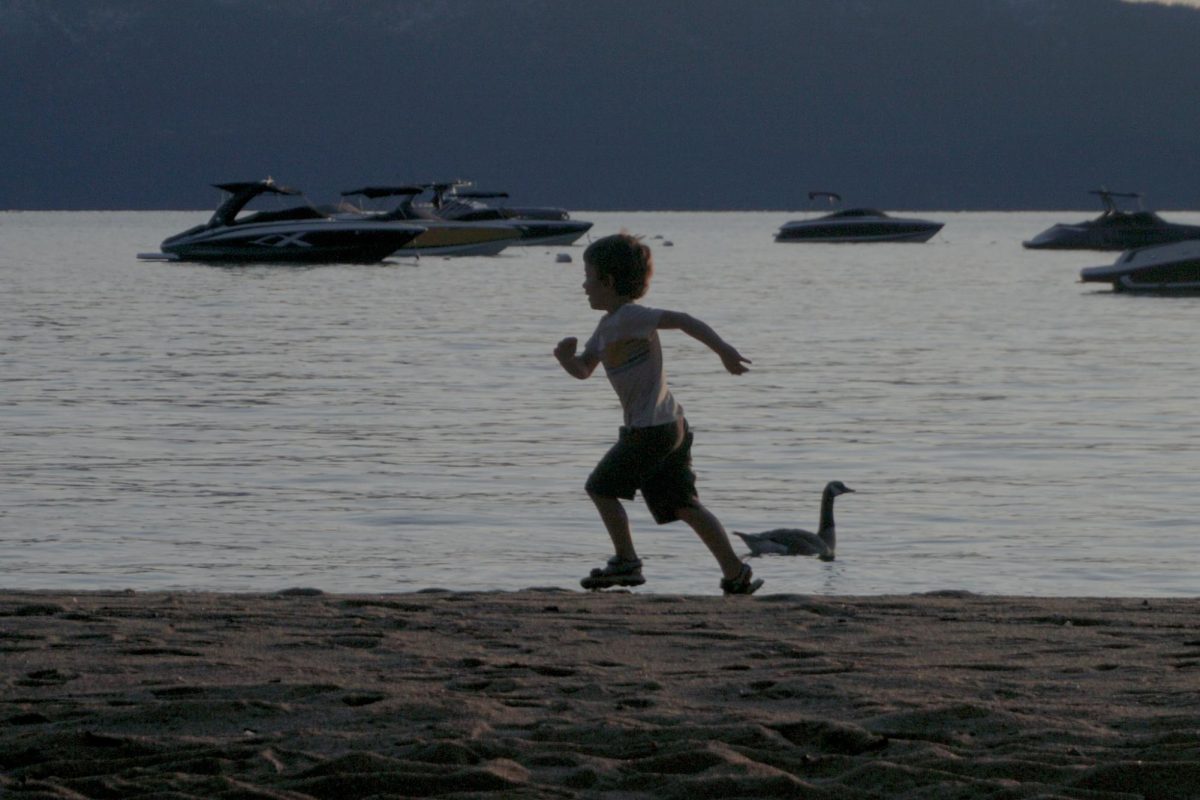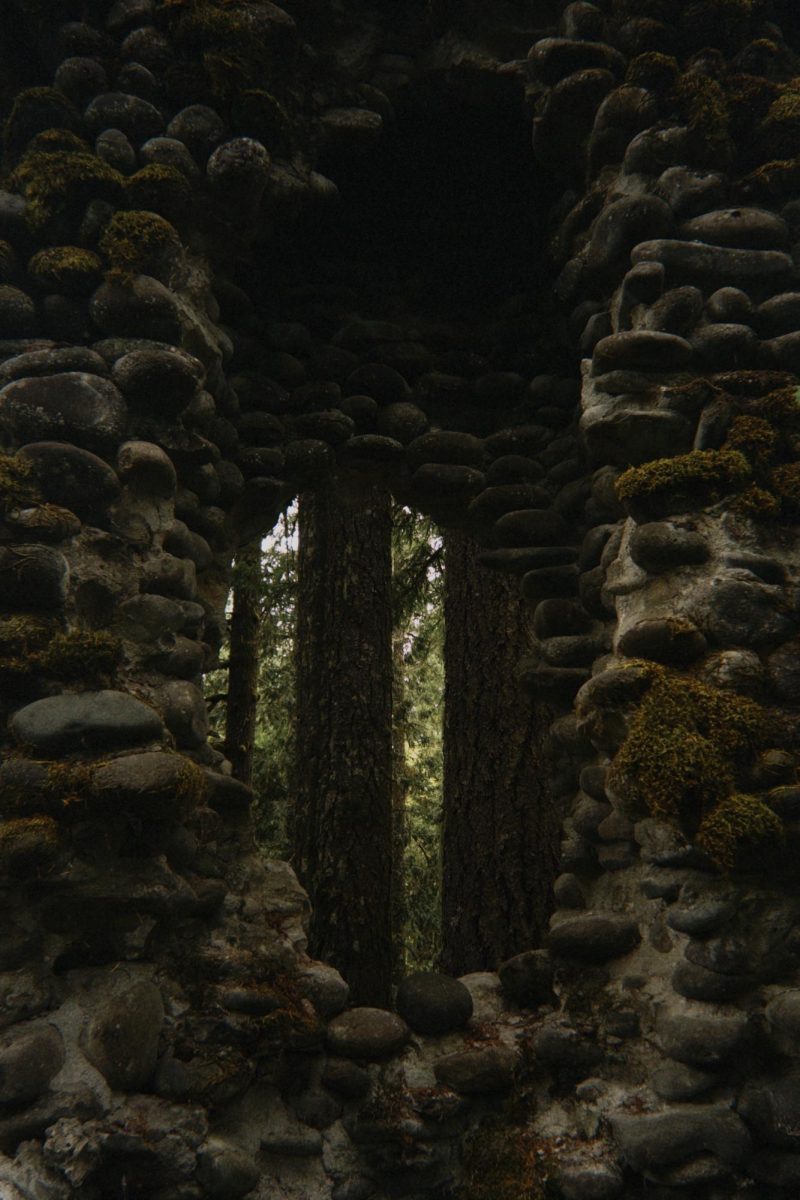


Photography by Ella Ciffone
The Music of Life
Amalie Landry
Ridges line the viridescent flesh
the groves of a record
to be played by a too old player
as we dance in the moonlight
lighting up a starry sky
empty and smooth
our hearts long for the times
when we were young
and had just met
that summer in the sun
caught by the roots
of a blade of grass
snatched before it could think
held to for dear life
to hold the memories in place
crystalize the moments
one day to be used
as the articles of life
to weave a basket
of our recollection.
Ella Ciffone
Biography: I love to create and play with different mediums. I make bad art until sometimes it turns out good. It’s about how it makes you feel while you make it and how it makes others feel when you share it.
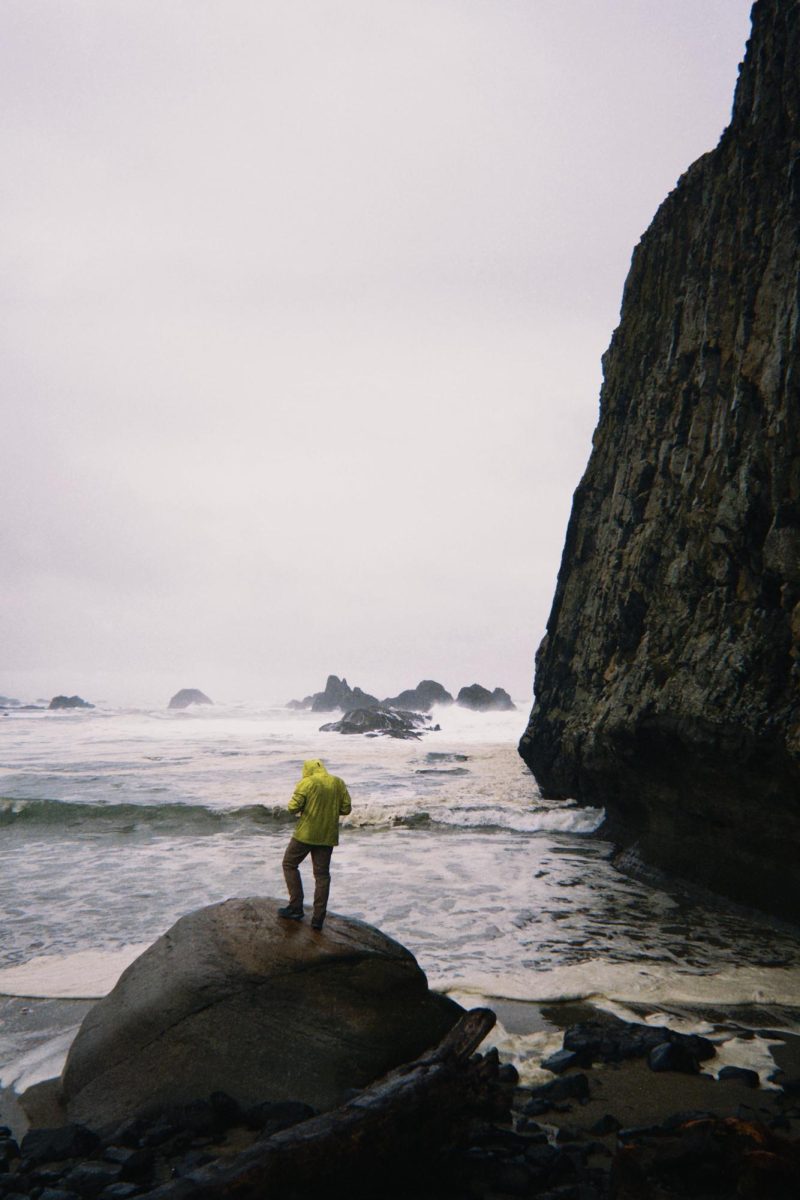
Artist Statement: A love poem as a photo of the Oregon coast. The perspective down the coastline is both serene and powerful.
Amalie Landry
Biography: Amalie Landry grew up immersed in the art world and had made her first paintings before she could walk. With both of her parents having attended art school and instilling in her a spirit of curiosity and creativity, art has always been a calling for her. She grew up in the forested and beautiful areas of the Pacific Northwest, which inspires much of her work, as well as her life experiences with chronic illness, love for the sciences, and genuine fascination with her surroundings. Over the years, she has tried many different art forms and currently practices watercolor, writing poetry, and embroidery the most often. She is presently studying Biochemistry at Oregon State University with the hope of working in the medical field in the future.
Artist Statement: In the poem The Music of Life, I explore the nostalgia inherent in memory, treating our shared past as a physical object, like the “groves of a record,” that we attempt to replay and hold onto. Inspired by cinematic images of couples dancing in twilight fields, this piece captures the tension between the yearning for crystallized moments and the reality of time passing. It is a meditation on how we use “the articles of life” to meticulously weave a collective recollection, grounding the ethereal vision of romance within the tangible, rooted world.